How to choose fencing for homes and commercial properties
Fencing affects privacy, security, boundaries and the overall layout of a property. The best option depends on how the site will be used, the condition of the ground and whether the fence needs to connect with retaining walls, gardens or access areas.
This guide outlines the main planning considerations for domestic and commercial fencing projects across Hervey Bay and the Fraser Coast.
Start with the purpose of the fence
A residential fence may be needed for privacy, pets, children or a clear boundary. Commercial fencing may place more emphasis on controlled access, durability and separation between work areas.
Defining the purpose early helps guide height, layout, gate positions and material choices. It also ensures the fence works with the way people and vehicles move through the site.
Explore our domestic and commercial fencing services.
Check boundaries, access and ground conditions
Before installation, the fence line should be reviewed for slopes, vegetation, services, existing structures and access limitations. Uneven or disturbed ground may need preparation so posts and panels can be installed consistently.
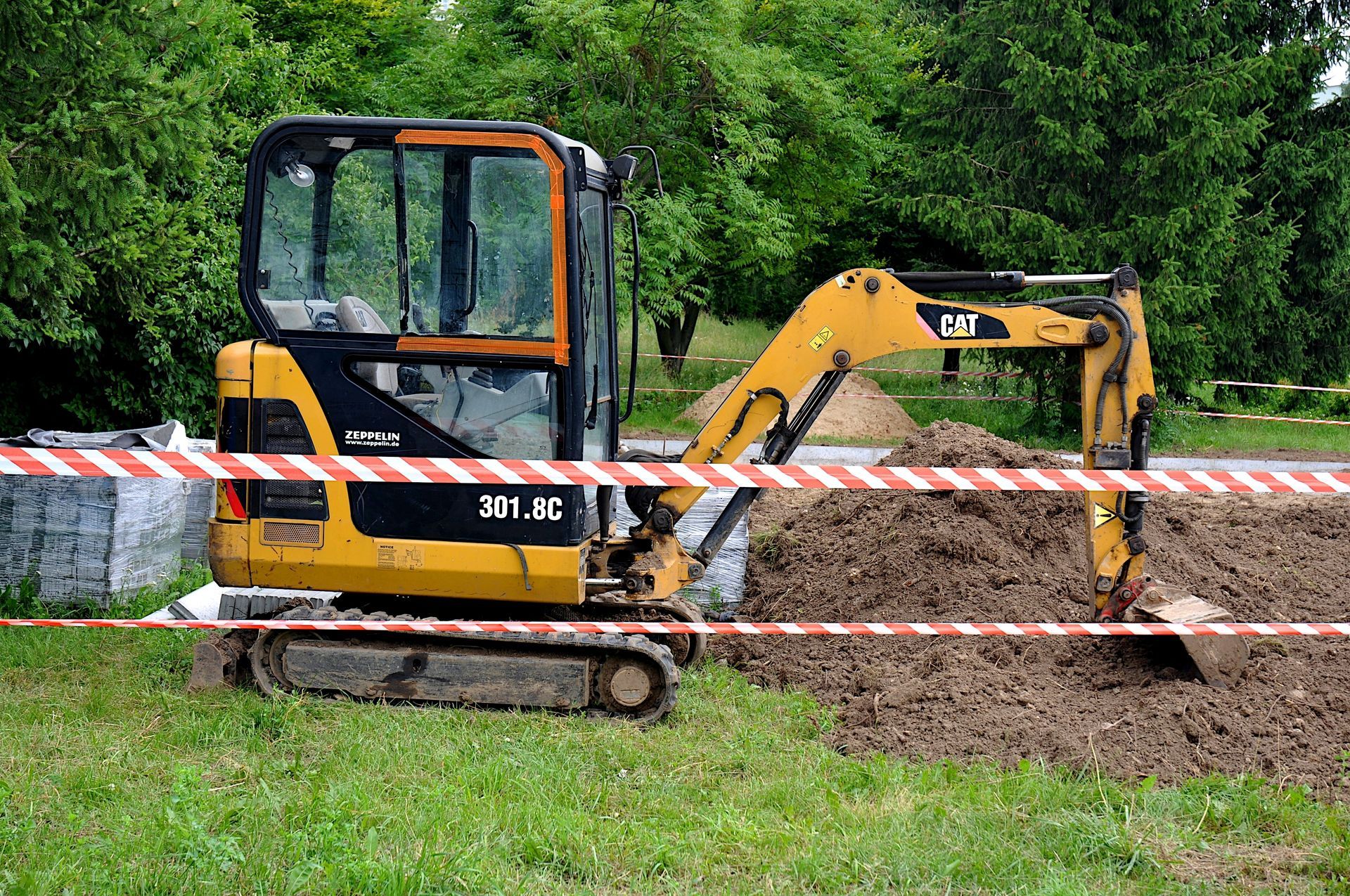
Where the site requires clearing, shaping or excavation, our backyard earthmoving and site preparation service can help prepare the area.
Coordinate fencing with retaining walls
Fences and retaining walls often meet along the same boundary. Their positions, levels and construction sequence should be planned together to avoid awkward joins or rework.
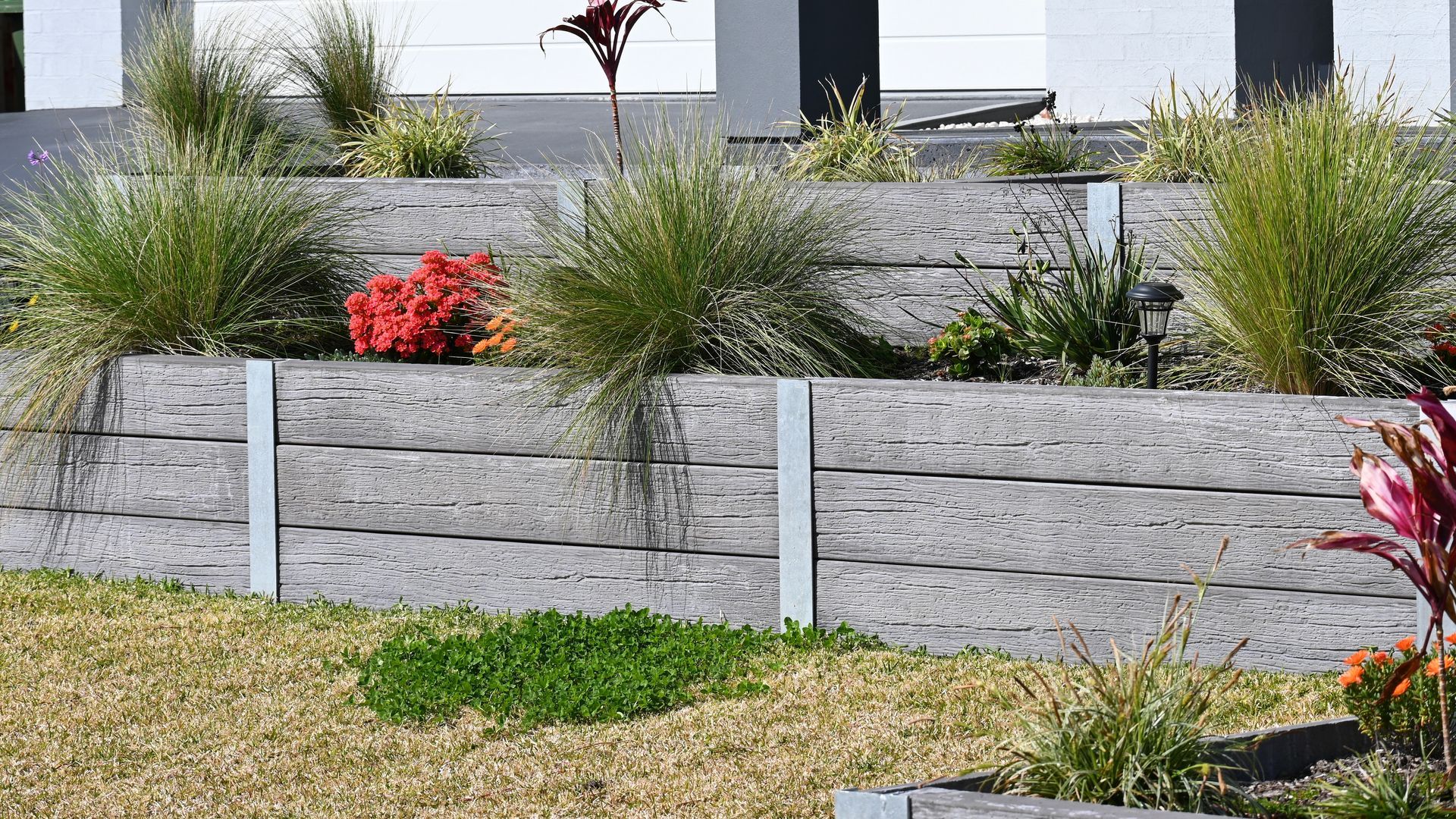
If a retaining wall is required, it is generally better to establish levels before the fence is installed. Learn more about our structural retaining wall services.
Consider gates and day-to-day access
Gate locations should suit how the property is used. Residential sites may need pedestrian and side access, while commercial sites may require wider openings for vehicles, equipment or deliveries.
The gate should also work with driveways, paths, garden areas and future maintenance needs. Planning these connections early creates a more practical finished layout.
Choose a finish that suits the property
The visual style of a fence matters, but maintenance, exposure and site conditions are just as important. A fence should complement the property without creating unnecessary upkeep.
It is also worth considering how nearby planting will grow and whether irrigation, trees or garden beds could affect access to the fence line over time.
Plan the installation sequence
Where a project includes earthmoving, retaining walls, irrigation or landscaping, fencing should be installed at the stage that best protects completed work and preserves access.
Coordinating the services through one team can reduce delays and help ensure that boundaries, levels and final landscaping align.
Discuss the right fencing approach
The most suitable fencing solution depends on the property, intended use, access and connected works. A site-specific plan is more useful than selecting materials in isolation.
Explore our fencing services for residential, new-build and commercial projects.
To discuss your boundary, access and broader landscaping requirements, contact our team for a quote .