How to plan residential and commercial landscaping
A successful landscaping project starts well before the first plant goes into the ground. Residential properties, new home builds and commercial sites all benefit from a clear plan that considers access, levels, drainage, structures, irrigation and the finished use of the space.
Taking time to plan these elements together can reduce rework and help each stage support the next. This guide explains the main decisions to make when organising residential or commercial landscaping across Hervey Bay and the Fraser Coast.
Start with how the space needs to work
The first step is to identify what the outdoor area needs to achieve. A family backyard may need lawn, shaded areas, access for children and practical garden beds. A commercial property may place greater emphasis on presentation, durable surfaces, low-maintenance planting and safe movement around the site.
Consider how people will enter, move through and use the area. Existing trees, boundaries, building access, drainage paths and service locations can all affect the final layout. These details should be discussed before materials or plants are selected.
For a complete overview of what can be included, explore our residential and commercial landscaping services.
Complete site preparation before finishing work
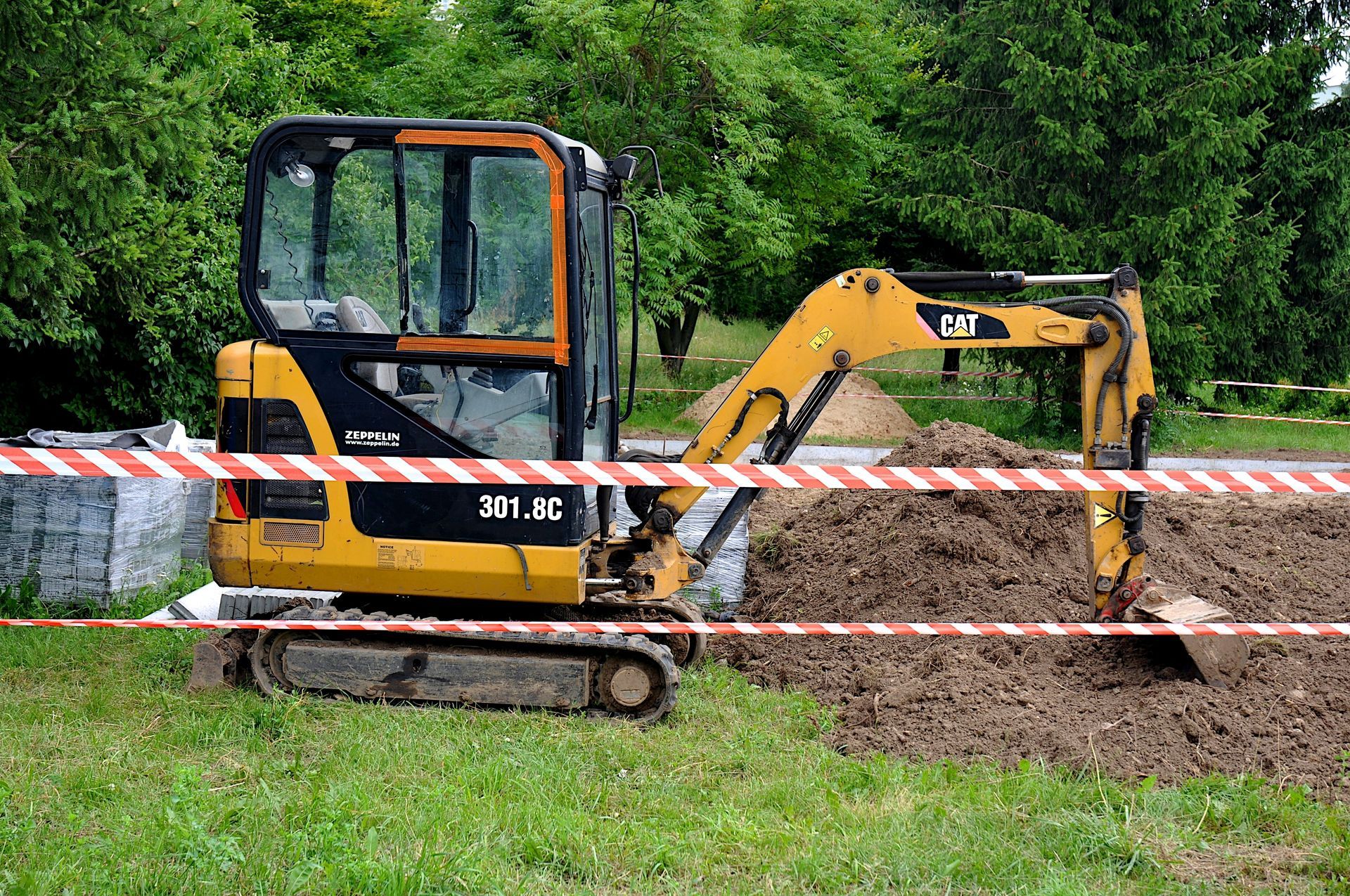
Good landscaping depends on the ground beneath it. Areas may need clearing, excavation, levelling, soil improvement or material removal before gardens, turf and structures can be installed.
On tighter residential properties, compact equipment can help prepare the site while limiting unnecessary disturbance. Larger sites may require a staged approach so machinery, materials and workers can move safely through the project.
If the ground needs reshaping or clearing, learn more about our backyard earthmoving and site preparation.
Plan retaining walls, fencing and levels together
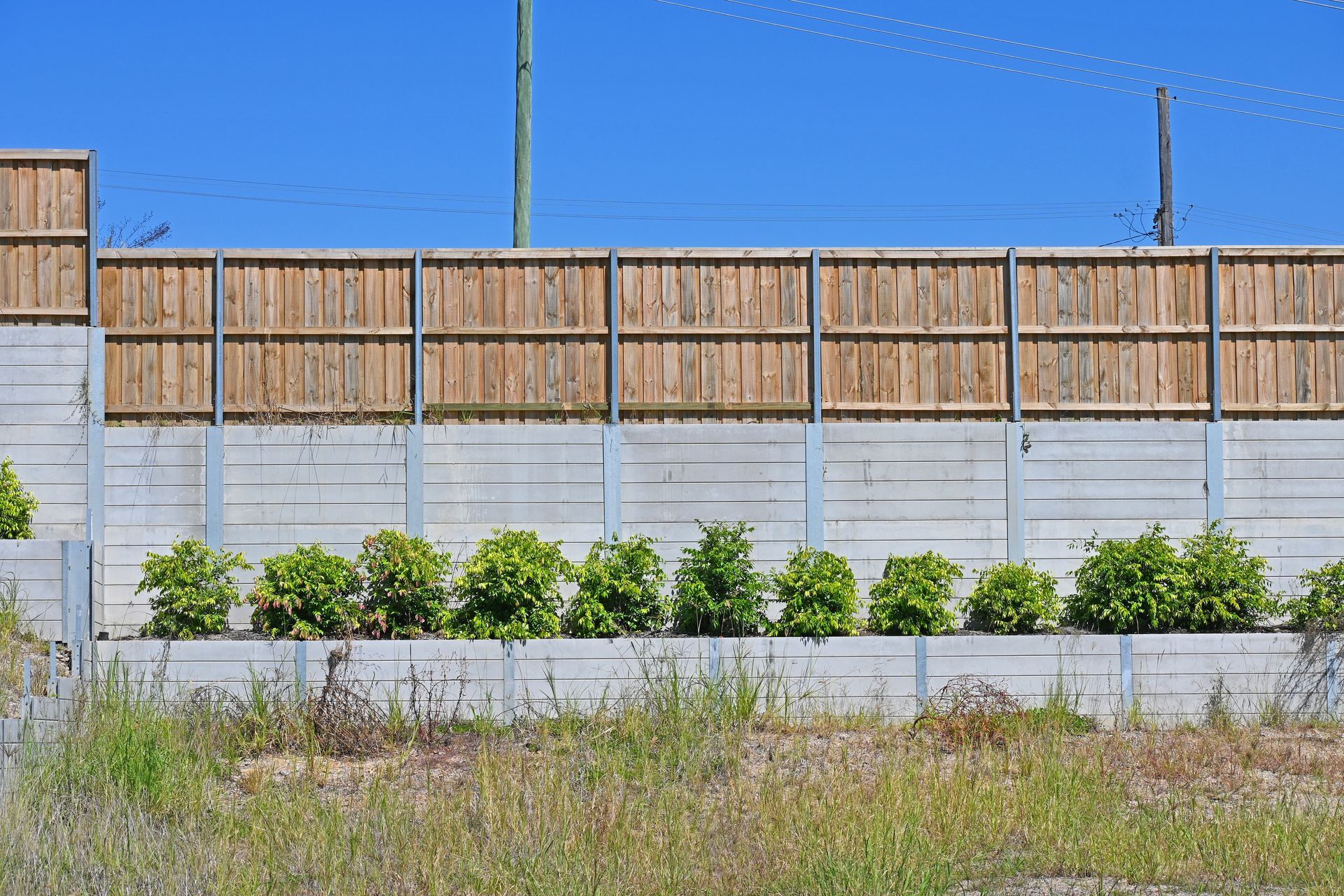
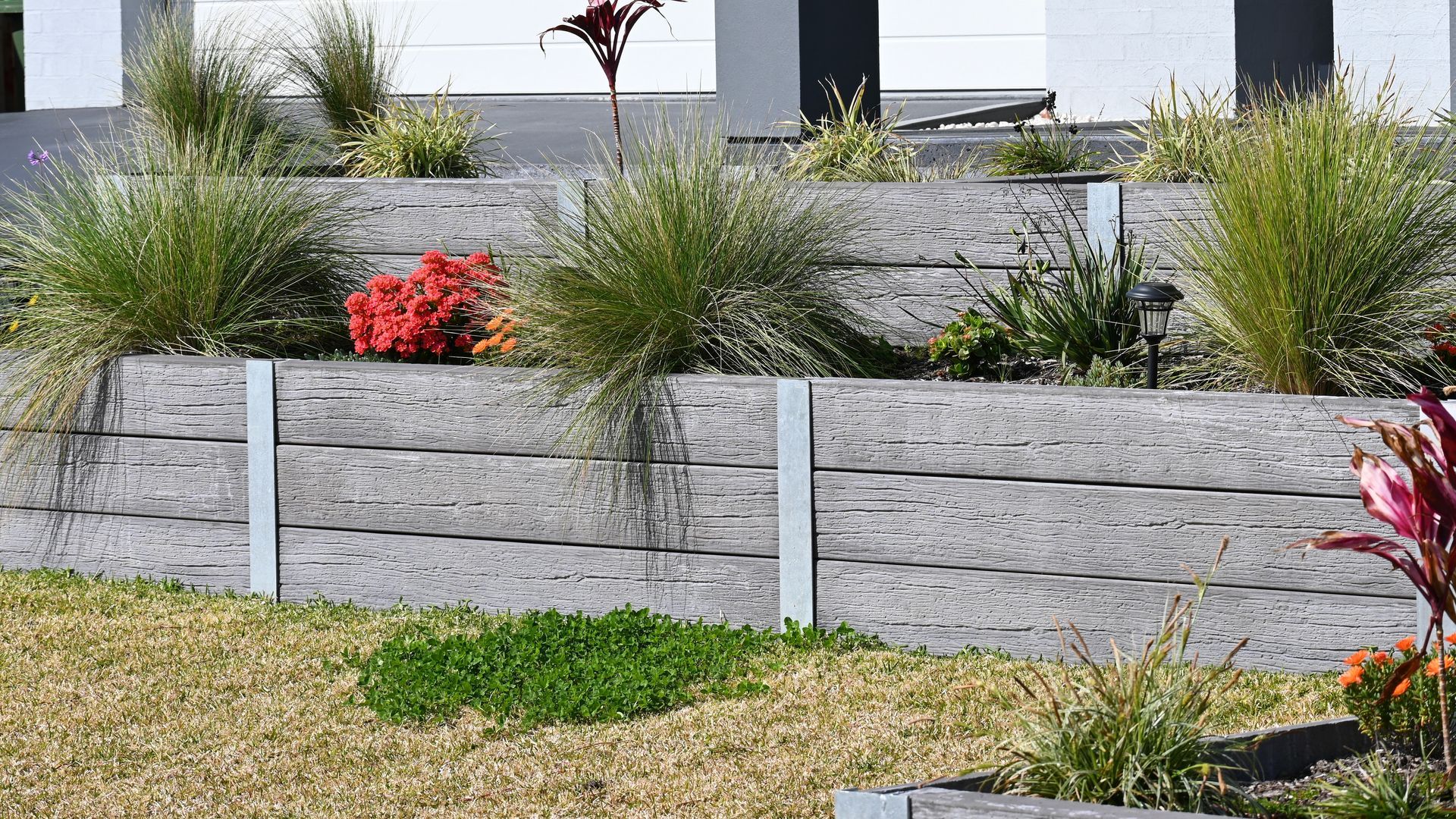
Retaining walls and fencing often define how a landscaped area will function. Retaining walls can manage changes in level, create usable garden zones and support the broader layout. Fencing provides boundaries, privacy and separation between different areas.
These structures should be considered early because they may affect excavation, drainage, access and the final position of planting areas. Installing them after gardens are complete can create avoidable disruption.
Where level changes are part of the project, our structural retaining wall service can be coordinated with the wider landscaping works.
Include irrigation before gardens are finished
Irrigation is easier to install while the site is still accessible. Planning pipework, sprinkler positions and watering zones before turf and planting are complete can reduce disturbance and create a more practical system.
The irrigation layout should reflect plant types, sun exposure, soil conditions and the way different parts of the property will be used. Commercial sites may also benefit from separating high-profile areas from lower-maintenance zones.
Choose materials and planting for long-term use
The finished design should suit the property, maintenance expectations and local conditions. Durable edging, practical access paths and well-selected plants can make the area easier to manage over time.
It is also helpful to consider how the landscape may change. Trees and shrubs grow, garden uses evolve and access needs can shift. Allowing enough space at the planning stage supports a better long-term result.
Coordinate the project in the right order
A typical landscaping sequence may include site preparation, retaining walls, fencing, irrigation, soil and drainage work, planting, turf and final clean-up. The exact order depends on the property and the services required.
Using one team for connected stages can simplify communication and reduce gaps between contractors. It also helps ensure that excavation, structures and finishing work are planned around the same outcome.
Plan your landscaping project
Residential and commercial landscaping works best when the practical groundwork and finished design are considered together. A clear site plan helps manage access, levels, materials and the order of work.
Explore our landscaping services to see how we support homes, builders and commercial clients across the Fraser Coast.
For advice based on your site, contact our team to discuss your landscaping project .