Retaining wall types for residential and commercial sites
Retaining walls can create usable space, manage changes in level and support the layout of a residential or commercial property. The right wall depends on the site, available space, required height, preferred finish and the surrounding landscaping.
This guide explains common retaining wall types and the practical factors to consider before work begins.
Why retaining wall planning matters
A retaining wall is more than a visual feature. It must suit the ground conditions, access, drainage requirements and the way the area will be used. Poor planning can lead to avoidable excavation, awkward levels or conflicts with fencing, irrigation and planting.
Before choosing materials, it helps to review the slope, wall location, nearby structures and how machinery and materials will reach the site.
Learn more about our structural retaining wall services.
Brick retaining walls
Brick walls can suit properties where a more traditional or coordinated finish is preferred. They may work well alongside existing brickwork, paved areas or formal garden layouts.
The wall design should account for height, footing requirements, drainage and the loads placed behind it. Brick is often selected for appearance, but the site conditions still determine whether it is appropriate.
Timber retaining walls
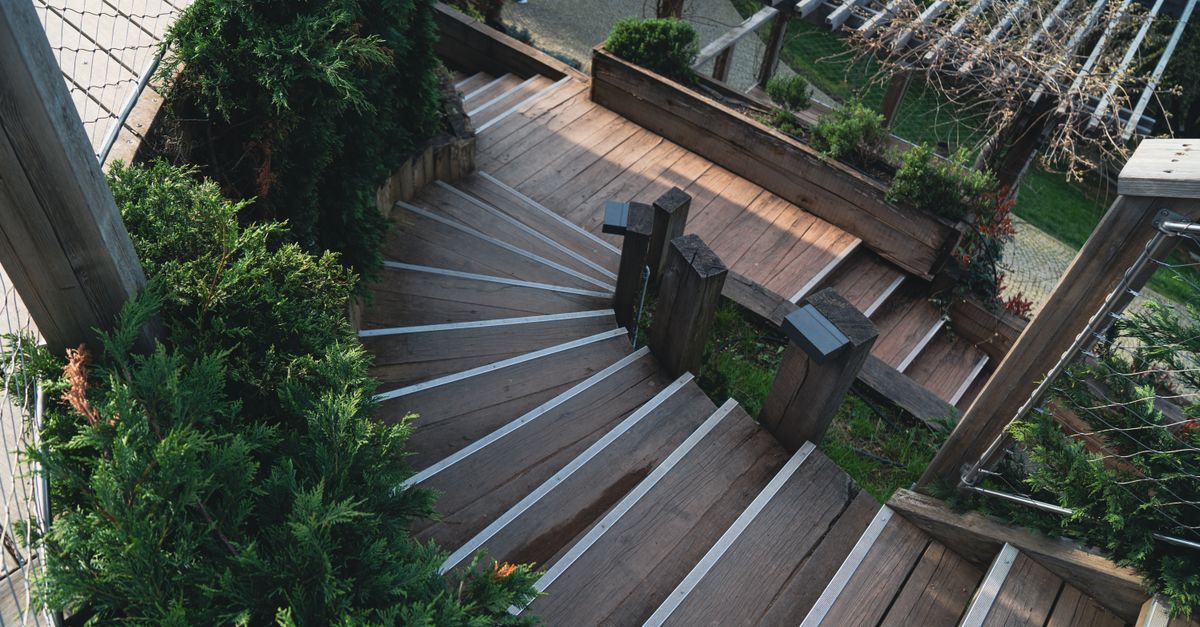
Timber retaining walls can provide a natural appearance and may suit lower garden areas, boundary zones and backyard landscaping. They are commonly considered where the wall needs to blend with planting and other timber features.
Material selection, drainage and ground contact all affect long-term performance. The final choice should reflect the site and the intended lifespan of the structure.
Timber and concrete sleeper walls
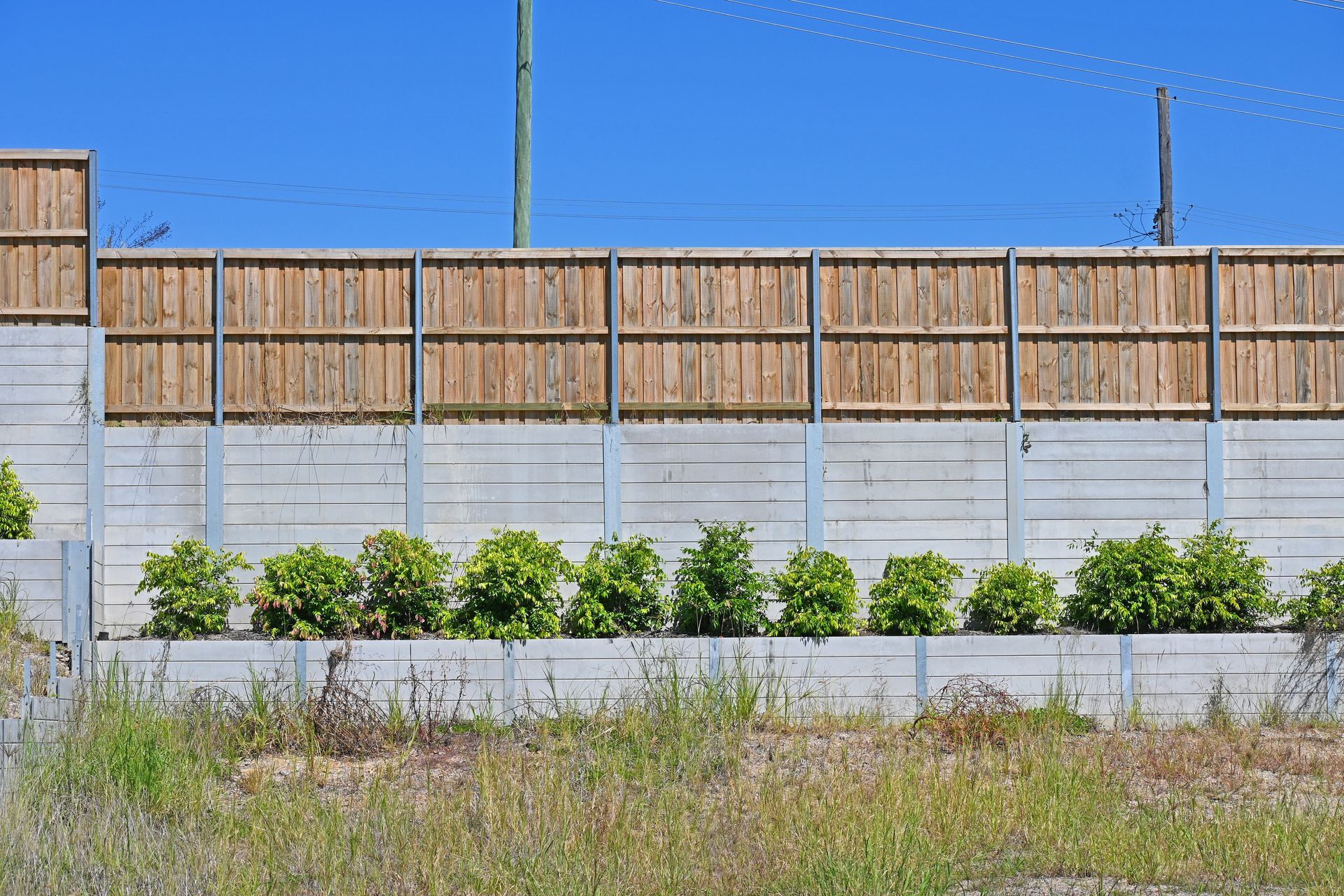
Sleeper retaining walls are widely used because they can create a clean, practical finish across varied property types. Timber sleepers offer a softer appearance, while concrete sleepers provide a durable option with different finishes available.
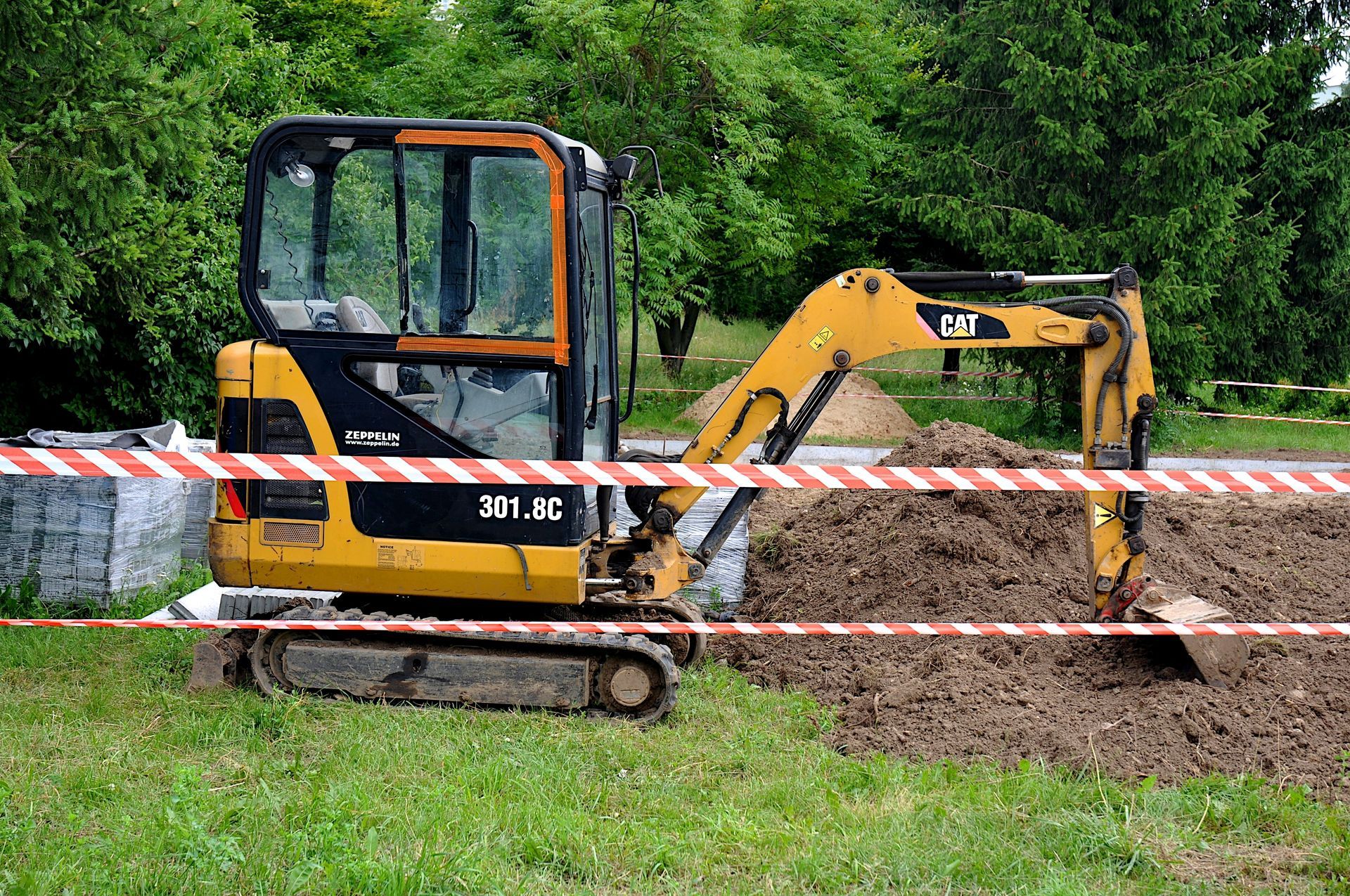
These walls still require careful planning around posts, excavation, drainage and access. On tighter properties, compact machinery can help prepare the wall line with greater control.
Where excavation is needed, our backyard earthmoving and site preparation service can support the project.
How drainage affects the wall
Water management is one of the most important parts of retaining wall construction. Water building up behind a wall can increase pressure and affect surrounding ground.
The drainage approach should be considered with the wall design, nearby garden beds, surface runoff and irrigation. Planning these elements together reduces the chance of later disruption.
Coordinate fencing and landscaping
Retaining walls often sit beside fences, garden beds, paths or lawn areas. Final levels should be established before connected elements are installed so that posts, boundaries and finished surfaces align properly.
If the project includes a new boundary, explore our domestic and commercial fencing services.
Choosing the right retaining wall
The most suitable option depends on the property, wall height, finish, access and surrounding works. Comparing materials is useful, but the final decision should be based on the full site rather than appearance alone.
Explore our retaining wall service for more information about brick, timber and sleeper systems.
To discuss levels, access and connected landscaping work, contact our team for a site-specific quote .